Discover our new product:
Breastmilk is the ideal food for your baby, providing all the nutrients they need in the first months of life.
But it’s not always possible to nurse your baby on demand. Your partner may want to share the feeding experience. Or a carer may need to feed your baby. And if you wish to continue feeding your baby breastmilk, expressing and storing your breastmilk can help.
This article provides a general guide for parents on how to store breastmilk safely and effectively. These tips will help prepare for the times when your baby can’t access mum for a feed.
If you’re expressing breastmilk, and not planning to use it straight away, proper storage will help maintain its quality and safety. Here are some tips for storing expressed breastmilk:1,2
Use sterile storage containers
Use bottles or bags designed for breastmilk storage. Make sure they’ve been sterilised. Don’t use regular plastic bags or containers, which may not be sterile and could contaminate your breastmilk.
Label containers with date and time
Write the date and time you pumped the milk on the container, so you can keep track of when it was expressed.
Store milk in small amounts
It’s best to store breastmilk in small amounts, such as 60 to 120mL, to reduce waste and ensure your baby gets fresh milk for each feeding.
Store milk in the back of the fridge or freezer
Keep your breastmilk at the back of the fridge or freezer, where the temperature is more consistent.
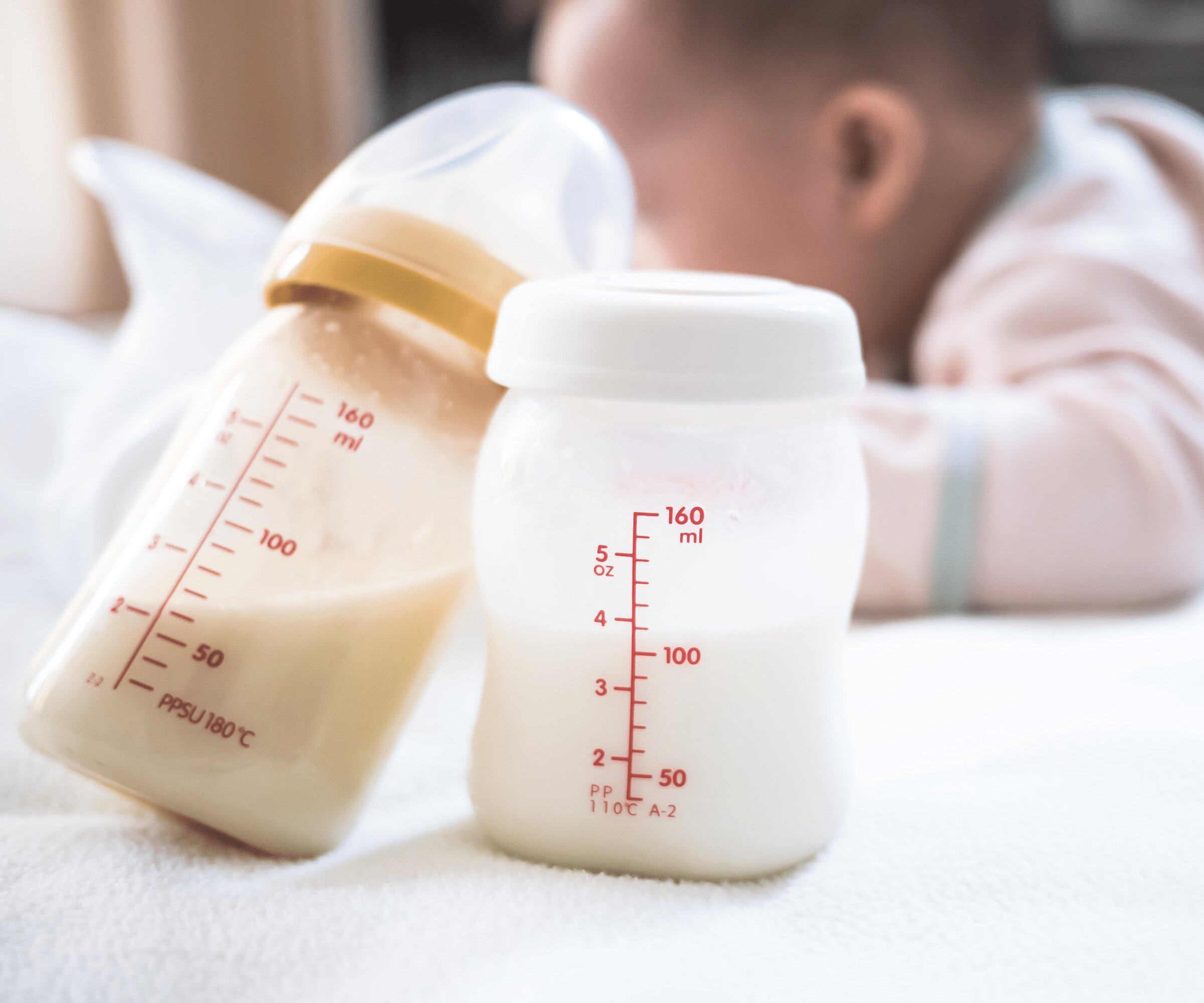
Breastmilk can last for different amounts of time depending on how it’s stored. Here’s a breakdown of how long breastmilk can last at different temperatures:1,2
Room temperature
You can store breastmilk at room temperature (up to 26°C) for up to 6-8 hours. If the room is warmer, it’s best to refrigerate the milk after 2 hours.
Refrigerator
Breastmilk can be stored in the fridge (at 5°C or lower) for up to 72 hours (3 days).
Freezer
You can store breastmilk in the freezer (at -18°C or lower) for up to 3 months. If using a deep freezer, breastmilk can be stored for up to 12 months.
Please note that these are general guidelines, and the quality of breastmilk may start to deteriorate after the recommended storage times.
If in doubt, it’s best to err on the side of caution and use fresh breastmilk.
If your breastmilk is stored in the fridge
The easiest way to warm breastmilk up, if it has been stored in the fridge, is to put the bottle or bag in a bowl of warm water (not more than 40°C). Swirl the milk occasionally to make sure it warms up evenly. Test the milk on the side of your wrist. It should be around the same temperature as your skin. But some babies don’t mind cooler (room temperature) milk.
If your breastmilk is frozen
You can thaw frozen breastmilk in the fridge overnight. Or, if you need it more quickly, you can run the milk container under warm water (not more than 40°C), or set it in a bowl of warm water. You may need to change the water if it gets cold. Warming from frozen could take 20 minutes or longer.
Never use boiling water or a microwave to warm up or thaw breastmilk, as this creates hot spots that could burn your baby’s mouth.
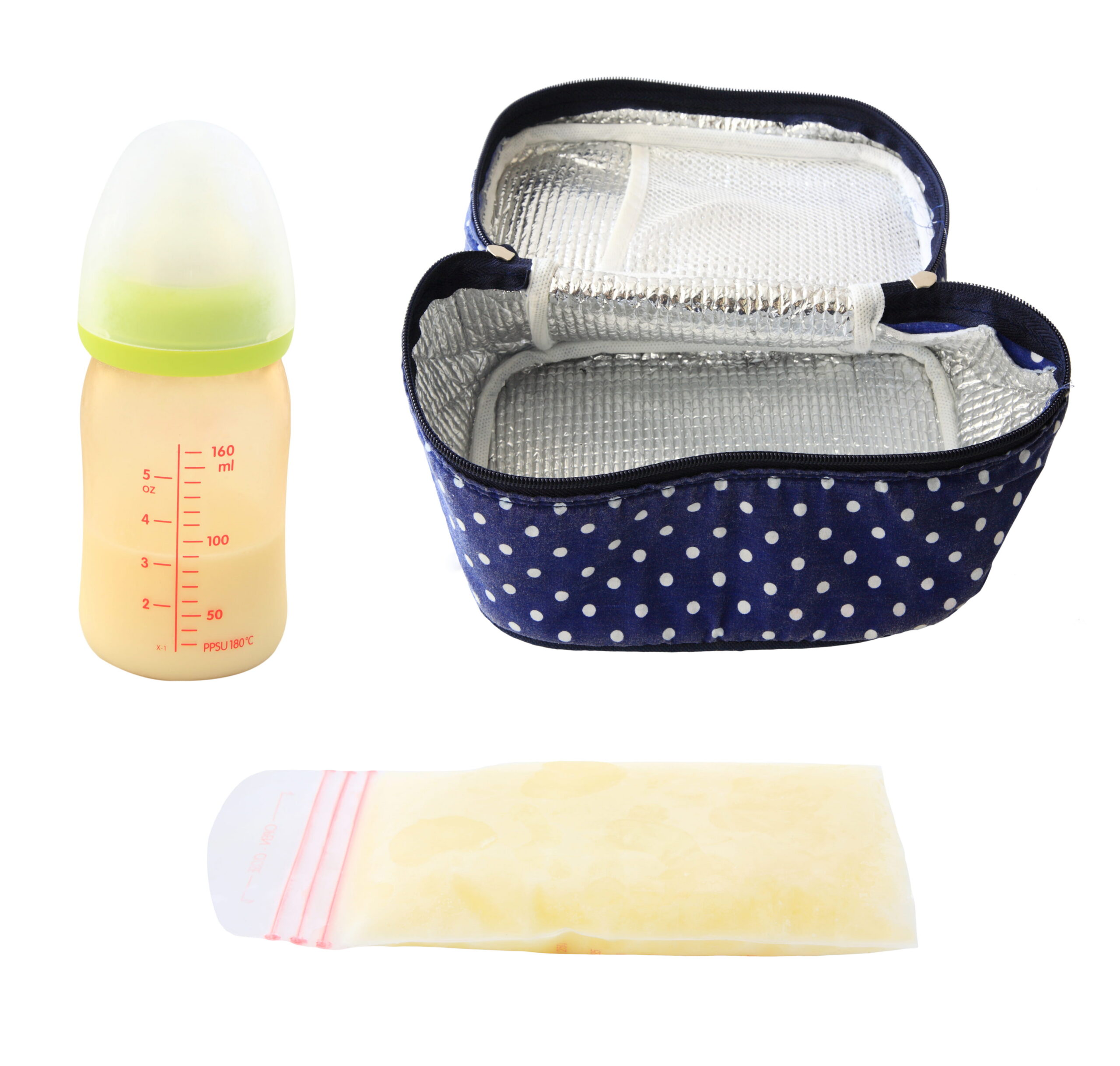
If you’re travelling with breastmilk, it’s important to take some precautions to keep it safe and at the right temperature.
Here are some tips for transporting breastmilk:
Choose the right container
Use BPA-free plastic bottles or breastmilk storage bags to store your breastmilk.
Use a cooler bag
Use an insulated cooler bag to keep the breastmilk cool during transportation.
Use ice packs
Use ice packs to keep the milk at a safe temperature during transport.
Novalac specialty formulas are evidence-based formulas. Each formula is specially designed to provide young children with the nutrition they need while assisting in the management of feeding conditions.
From feeding difficulties to digestive concerns, some infants and toddlers experience challenges that can affect their daily nutritional intake and overall comfort. Explore the causes and get practical tips to help manage common feeding problems and support your little one’s wellbeing.
If you are able to breastfeed, breastfeeding is best for babies. Breastfeeding has many benefits, such as protecting your baby from infection while their immune system develops. It is important that you eat a healthy, balanced diet in preparation for and during breastfeeding.
Infant formula is designed to replace breast milk when an infant is not breastfed. Combining breast and bottle feeding in your baby’s first weeks of life may reduce your supply of breast milk and reversing a decision not to breastfeed is difficult. The social and financial implications of using infant formula should be considered when choosing a method of feeding.
Always follow the manufacturer’s instructions when preparing and using infant formula, including proper sterilisation of bottles and using boiled water. Improper use of an infant formula may make your baby ill.
We recommend that you consult your doctor, midwife, or health care professional for advice about feeding your baby.
