Specially formulated for infants and toddlers with feeding conditions
Navigating feeding challenges with your little one can be difficult. Novalac is here to help support formula-fed infants and toddlers with high-quality, science-backed formulas for common feeding conditions.
Food for special medical purposes. Use under medical supervision
Clinically studied specialty infant formulas1-6
Novalac specialty infant formulas are all clinically studied and produced to high quality standards, providing the nutrition that infants need while helping to effectively manage common feeding conditions.
Over 25 Years Of Research7
Clinically Studied Formulas1-6
700+ Quality Controls7
Available In 50+ Countries7
Our range
Our Novalac range is specially designed to help manage common feeding conditions. This includes cow’s milk allergy, reflux, constipation, colic and excessive hunger in the first year or life, as well as cow’s milk allergy in toddlers. Novalac formulas are for formula-fed children and are suitable for everyday, ongoing use.
Novalac specialty formulas are evidence-based. Each formula is specially designed to provide formula-fed infants and toddlers with the nutrition they need while helping to manage feeding conditions.
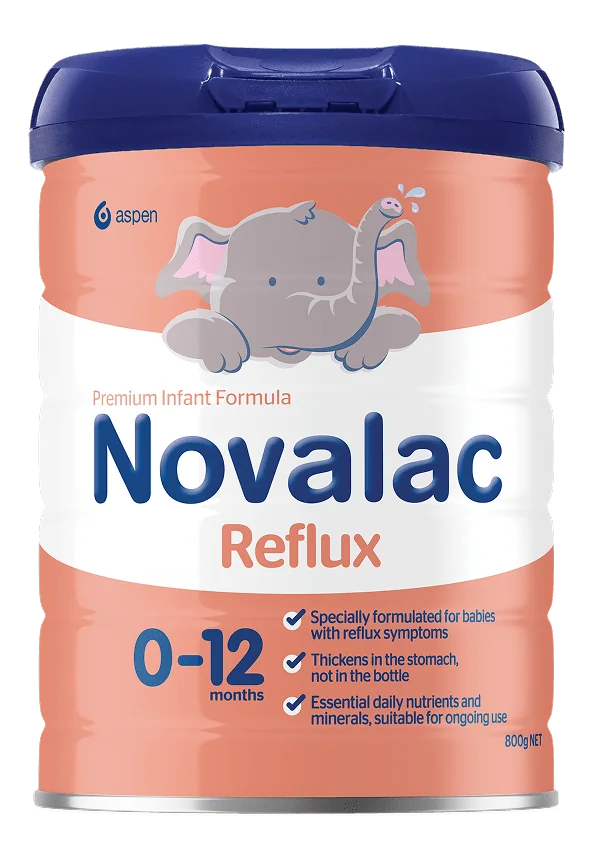
Novalac Reflux is a thickened formula designed to thicken in the stomach, not in the bottle, making it easier for your baby to drink while helping to reduce the frequency and severity of reflux.
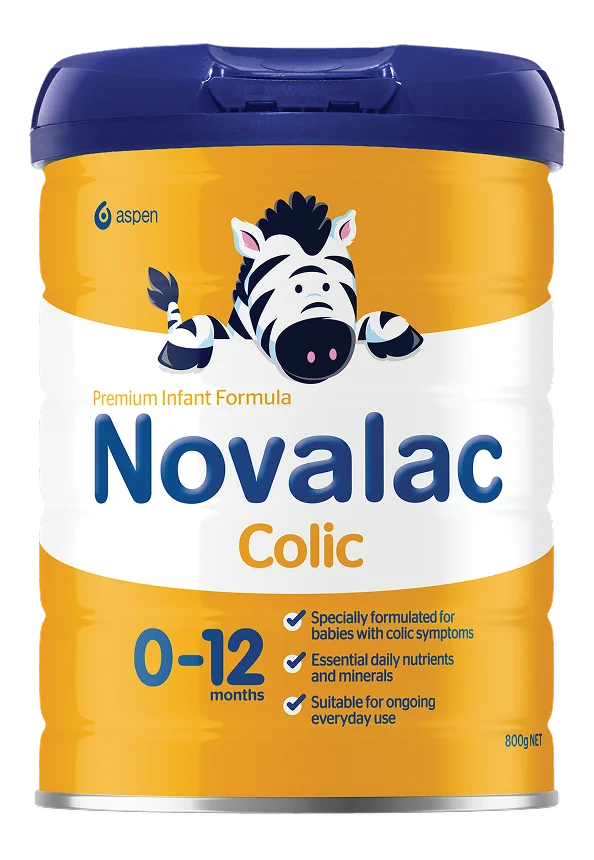
Novalac Colic contains a balanced blend of nutrients to help reduce wind and abdominal discomfort whilst nourishing your baby with essential daily nutrients.
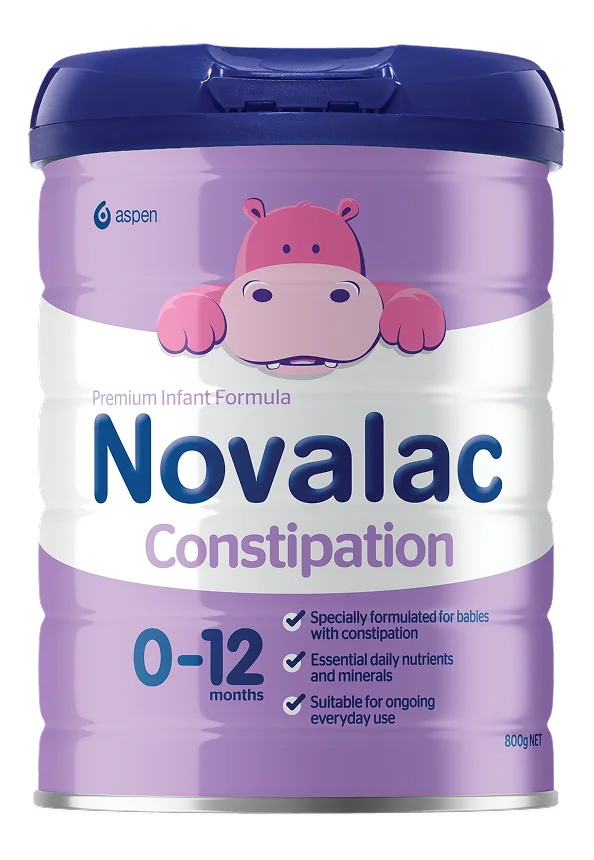
Novalac Constipation contains a balanced blend of nutrients to help soften stools and increase stool frequency, whilst nourishing your baby with essential daily nutrients.
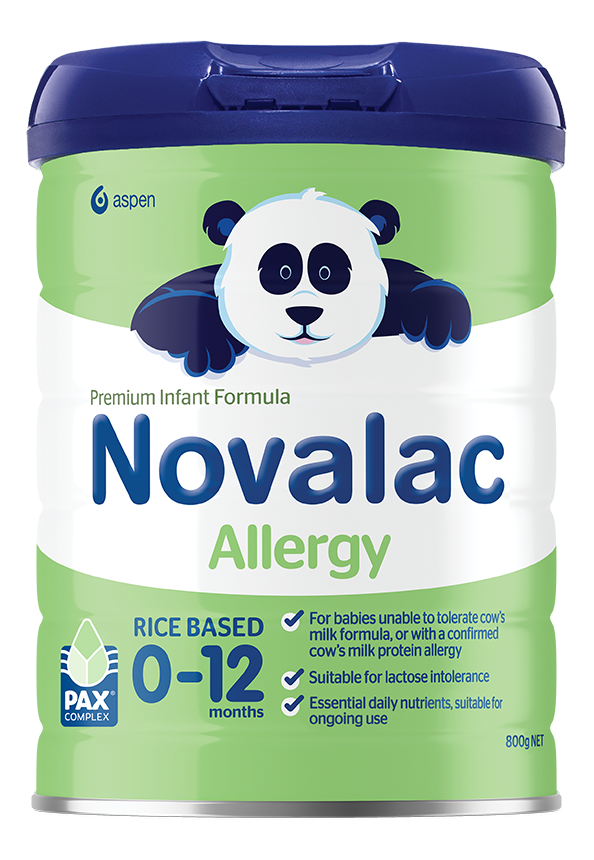
Novalac Allergy has been specially formulated with protein sourced from rice for infants 0-12 months with a cow’s milk allergy, cow’s milk intolerance, or lactose intolerance.
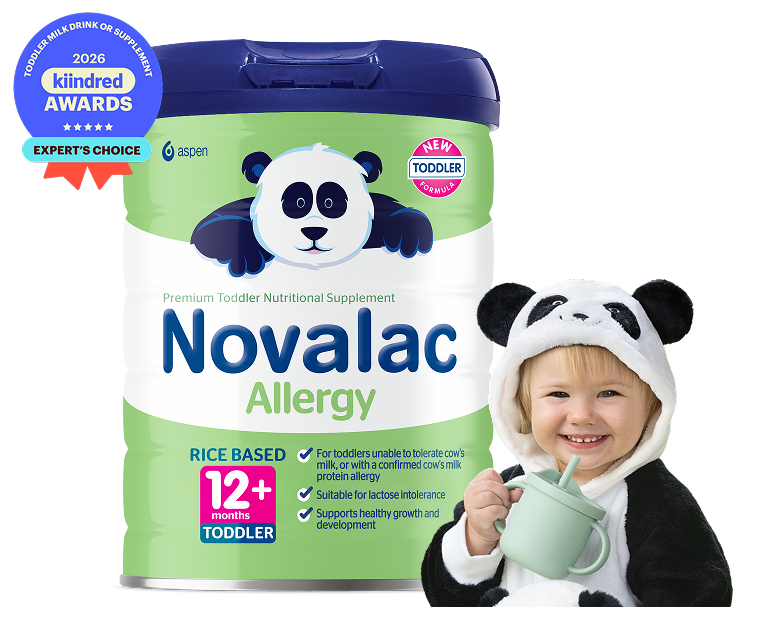
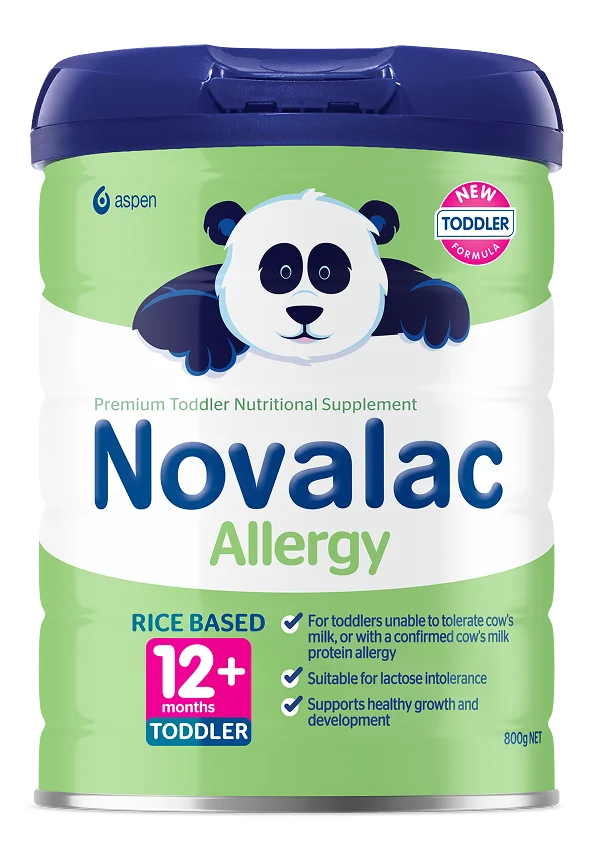
Novalac Allergy Toddler has been specially formulated with protein sourced from rice for toddlers 12 months and over with a cow’s milk allergy, cow’s milk intolerance, or lactose intolerance.
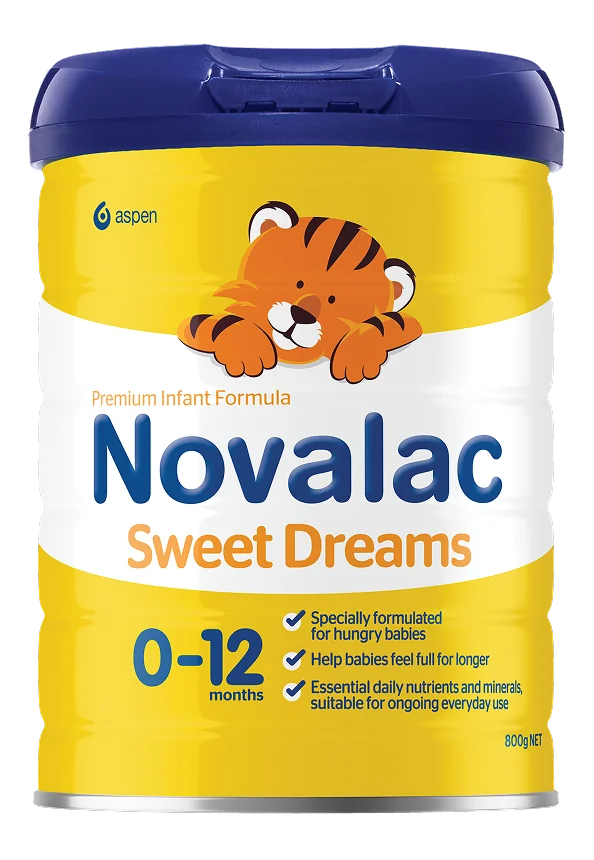
Novalac Sweet Dreams is specially formulated to give overly hungry babies a longer-lasting feeling of fullness, helping the gap between feeds to be extended.
Novalac was first developed in 1991 by a dedicated team of pharmacists, paediatricians, and research scientists. Their mission was to create dietary solutions to manage infant feeding conditions in formula-fed infants.
Novalac has been committed to advancing infant health for over 25 years. This has been demonstrated in over 50 clinical trials and research studies involving more than 48,000 infants globally7.
The researchers behind Novalac remain committed to building on this large body of scientific research. They’re driven to innovate, to achieve the best health outcomes for children while helping to manage their feeding conditions.
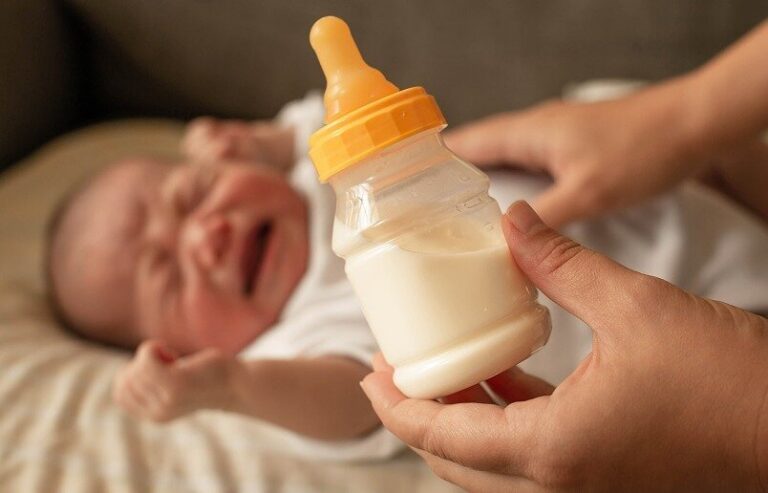
Even with the best nutrition and care, many infants experience feeding conditions that can affect their everyday feeding habits in the first year of life. For some conditions, like cow’s milk allergy, these challenges can continue into the toddler years and may still require support.
Find out more about the possible causes and discover helpful tips for managing these conditions.
Novalac specialty formulas are evidence-based formulas. Each formula is specially designed to provide young children with the nutrition they need while assisting in the management of feeding conditions.
From feeding difficulties to digestive concerns, some infants and toddlers experience challenges that can affect their daily nutritional intake and overall comfort. Explore the causes and get practical tips to help manage common feeding problems and support your little one’s wellbeing.
Please take a moment to read this important message.
If you are able to breastfeed, breastfeeding is best for babies. Breastfeeding has many benefits, such as protecting your baby from infection while their immune system develops. It is important that you eat a healthy, balanced diet in preparation for and during breastfeeding.
Infant formula is designed to replace breast milk when an infant is not breastfed. Combining breast and bottle feeding in your baby’s first weeks of life may reduce your supply of breast milk and reversing a decision not to breastfeed is difficult. The social and financial implications of using infant formula should be considered when choosing a method of feeding.
Always follow the manufacturer’s instructions when preparing and using infant formula, including proper sterilisation of bottles and using boiled water. Improper use of an infant formula may make your baby ill.
We recommend that you consult your doctor, midwife, or health care professional for advice about feeding your baby.