Discover our new product: 

novalac-constipation
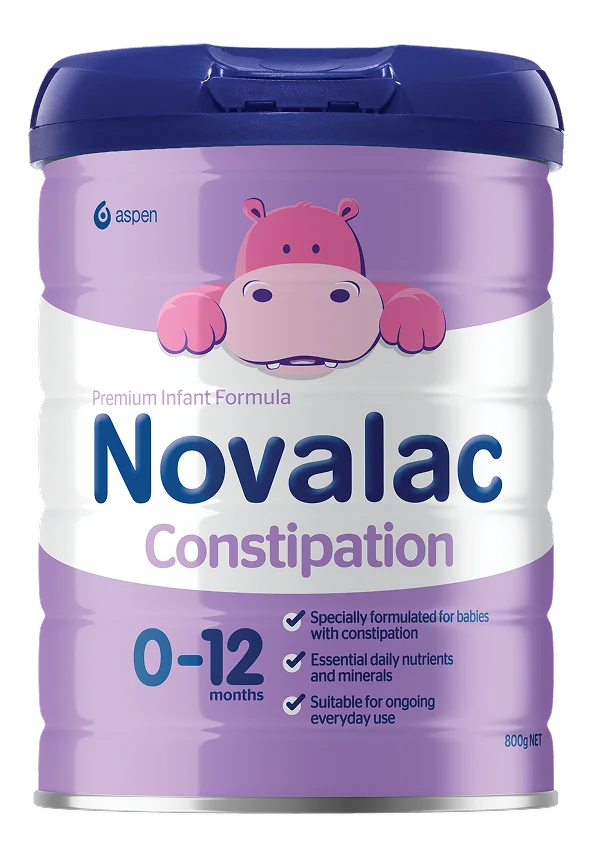
Novalac

Constipation

Novalac Constipation is a premium evidence-based speciality infant formula that has been specially formulated to help provide relief to formula-fed babies with constipation.

It contains a balanced blend of nutrients to help soften stools and increase stool frequency, whilst nourishing your baby with essential daily nutrients and minerals.

Please always consult your healthcare professional should you have any concerns relating to common feeding problems, or for further advice specific to your baby.

Why choose Novalac Constipation?

Specially formulated for formula-fed babies (0-12 months) with constipation
Softens stools and increases stool frequency
Nourishes your baby with essential daily nutrients
Nutritionally complete and suitable for everyday use, during and after your baby’s constipation has resolved#

#Babies over 6 months should be offered solid food in addition to infant formula. 

Nutrition information

Novalac Constipation specialty infant formula

Nutritional composition per 100mL (reconstituted at one 4.3g scoop/30mL water)
Average Values
Per 100mL prepared feed*
Energy
275 kJ
66 kcal
Protein
1.6 g
Carbohydrates
7.5 g
Fat
3.3 g
Linoleic acid (Omega 6)
0.5 g
α-Linolenic acid (Omega 3)
52.4 mg
Vitamins
Vitamin A
58.5 µg RE
Vitamin B1
52 µg
Vitamin B2
130 µg
Vitamin B6
39 µg
Vitamin B12
0.2 µg
Vitamin C
7.8 mg
Vitamin D3
1 µg
Vitamin E
1.1 mg α-TE
Vitamin K1
3.9 µg
Biotin
2 µg
Niacin
0.6 mg
Folic acid
7.8 µg
Pantothenic acid
0.3 mg
Minerals
Sodium
22.1 mg
Potassium
74.1 mg
Chloride
42.9 mg
Calcium
65 mg
Phosphorus
33.2 mg
Magnesium
8.5 mg
Iron
0.9 mg
Zinc
0.6 mg
Iodine
10.4 mg
Copper
45.5 mg
Manganese
10.4 mg
Selenium
1.6 mg
Other Nutrients
Choline
14.3 mg
Inositol
5.2 mg
Taurine
5.7 mg
L-carnitine
1 mg

* As prepared according to instructions

Ingredients: Skimmed cow’s milk, milk proteins, vegetable oils (palm, sunflower, soy, rapeseed), lactose (milk), tricalcium citrate, calcium carbonate, emulsifier (soy lecithin), disodium phosphate, potassium chloride, magnesium chloride, dipotassium phosphate, vitamins (A, B1, B12, B2, B6, C, D3, E, K1, biotin, folic acid, niacin, pantothenic acid), taurine, choline bitartrate, ferrous sulphate, magnesium oxide, L-cystine, zinc sulphate, inositol, L-phenylalanine, L-tryptophan, sodium chloride, antioxidants (extract rich in tocopherols), L-carnitine, potassium iodide, sodium selenite, cupric sulphate, manganese sulphate.

Contains: milk, soy

WARNING: Follow instructions exactly. Prepare bottles and teats as directed. Do not change proportions of powder except on medical advice. Incorrect preparation can make your baby very ill.

Always wash your hands before preparing a bottle. Each bottle should be prepared individually. Only use the measuring scoop provided.

It is recommended that formula be used immediately after it is prepared.

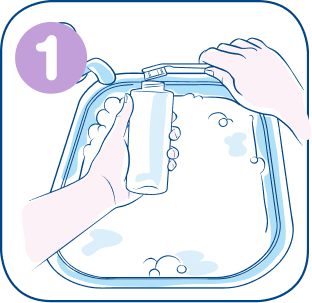
  1. Wash the feeding bottle, cap, teat and any utensils to be used and sterilise them in boiling water.
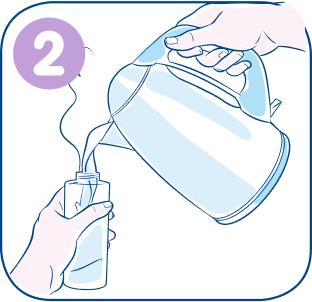
  1. Boil clean drinking water for 5 minutes and allow to cool to 40°C. Pour the required amount of water (see Feeding Guide) into the bottle.
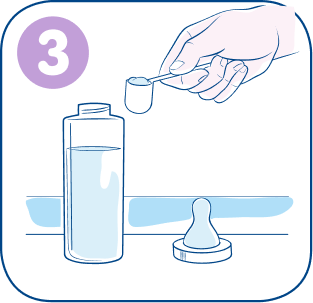
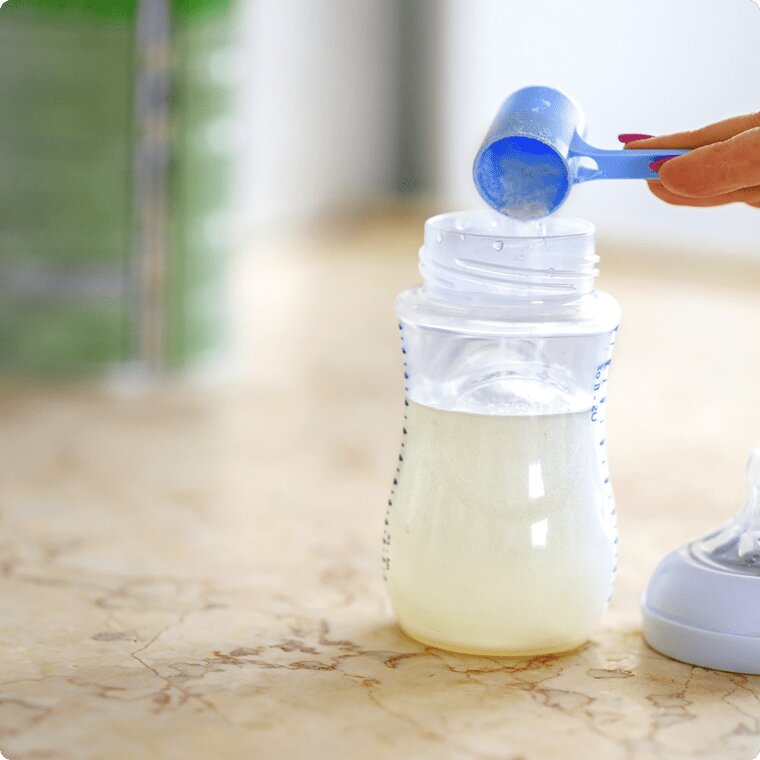
  1. Measure the correct quantity of formula (see Feeding Guide) into the bottle using the scoop provided. Always use one level scoopful (4.3g) per 30mL of water.
  1. Secure the lid on the bottle, roll the bottle between your palms and then shake for at least 30 seconds until the powder is completely dissolved. Let cool to lukewarm temperature (37°C) without re-shaking. Test the temperature on your wrist before feeding.

Formula should be consumed within one hour of preparation. Any formula left over after feeding should be discarded.

This is a general guide only. Your baby may need more or less bottles than indicated depending on their appetite.

Babies aged over 6 months should be offered solid food in addition to infant formula.

Always add one level scoopful (4.3g) to 30mL of cooled pre-boiled water.

Age
(months)
Bottles
per day
Level scoops per bottle
Cooled boiled water (mL)
0 to 1
6
3
90
1 to 2
5
4
120
2 to 4
5
5
150
4 to 6
5
7
210
6 to 12
3*
7
210

* As part of a diversified diet

  • Do not use after the ‘Use by’ date: refer to the base of the can.
  • Completely remove the metal foil/seal when first opening.
  • Store the closed tin in a dry place, away from direct light and possible contamination.
  • Ensure lid is closed after each use.
  • Use within 3 weeks after opening.
  • It is advised not to prepare feeds in advance. Ideally prepare just before feeding.
  • Each bottle should be consumed within 1 hour maximum after preparation.
  • Discard any remaining milk after a feed.
  • Do not add sugar.
  • Do not use the feeding bottle as a pacifier.
  • Not to be administered parenterally.
  • Not suitable for tube feeding.

Frequently asked questions

Find answers to common questions about Novalac
and conditions that might impact your child’s feeding habits. 

Does Novalac Constipation formula address different types of constipation (e.g., formula-related, slow transit)?

Yes, Novalac Constipation is designed to help manage various causes of infant constipation, including formula-related constipation and slower digestive transit, by supporting better gut motility.

No special feeding techniques or positions are needed. You can feed your baby as you normally would with other formulas.

It may have a slightly different taste due to its unique composition, but generally babies have accepted this formula milk.

Need support or advice?

We offer a dedicated support line to assist you with any questions or concerns you may have about Novalac products.

LEARN

Browse our articles

Novalac is available from pharmacies nationwide

Where to buy

Welcome to NovaNutrition

Please take a moment to read this important message.

If you are able to breastfeed, breastfeeding is best for babies. Breastfeeding has many benefits, such as protecting your baby from infection while their immune system develops. It is important that you eat a healthy, balanced diet in preparation for and during breastfeeding.

Infant formula is designed to replace breast milk when an infant is not breastfed. Combining breast and bottle feeding in your baby’s first weeks of life may reduce your supply of breast milk and reversing a decision not to breastfeed is difficult. The social and financial implications of using infant formula should be considered when choosing a method of feeding.

Always follow the manufacturer’s instructions when preparing and using infant formula, including proper sterilisation of bottles and using boiled water. Improper use of an infant formula may make your baby ill.

We recommend that you consult your doctor, midwife, or health care professional for advice about feeding your baby.