Discover our new product: 

Relieving newborn constipation

As parents, it can be concerning when your newborn is having trouble passing stools (poo). Constipation in newborns can be caused by problems such as dehydration and formula-related issues.

Constipation in babies needs special care, and you should chat with a GP or maternal care nurse if you think your baby is struggling to poo.

It also helps to know how to provide your baby with constipation relief at home, safely and effectively.

In this article, we’ll cover some helpful tips to ease your little one’s discomfort and help get them back to their happy selves.

How to avoid formula-related constipation

If your baby is formula-fed, there are a few things you can do to help avoid constipation. Here are some helpful tips:

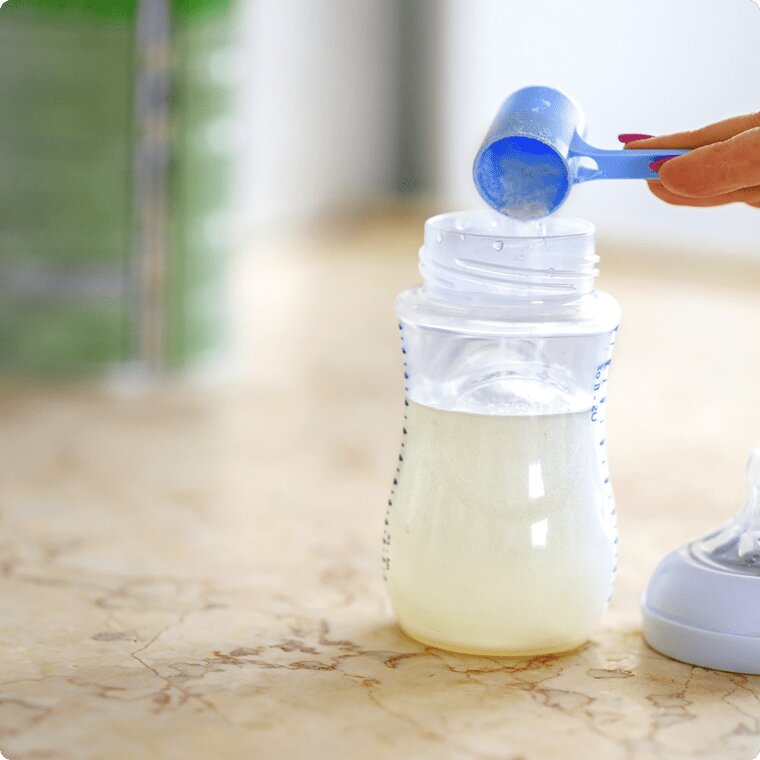
Ensure you are correctly preparing the formula, as too much or too little formula powder for the amount of water can cause issues.
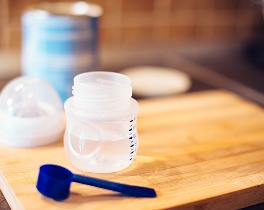
Ensure you are correctly preparing the formula, as too much or too little formula powder for the amount of water can cause issues.

Measure out the water for the formula first and add the formula powder second. This will make sure the amount of water is correct.
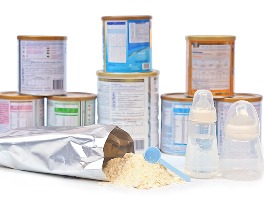
Measure out the water for the formula first and add the formula powder second. This will make sure the amount of water is correct.

Avoid switching formula brands or types too often, as this can disrupt your baby’s digestive system.


Avoid switching formula brands or types too often, as this can disrupt your baby’s digestive system.

Ask your healthcare professional if they could help recommend a specialty infant formula that may be more gentle on their tummy.

How to relieve constipation in babies

Always consult with a healthcare professional if you think your baby is constipated.

If you’re at home, there are several methods to try that may help relieve baby’s discomfort.

Massage

Massaging your baby’s tummy could also help stimulate their digestive system and ease constipation. Here’s how to do it:

  1. Place your baby on their back on a soft surface.
  2. Use your fingertips to gently massage their tummy by making circular motions. Move your fingers in a clockwise direction.
  3. Avoid the naval area if the cord has not yet fully healed. 
  4. Repeat for a few minutes, a few times a day. 
Constipation in babies

Baths

Giving your baby a warm bath may help relax their muscles and make it easier for them to pass stools. Try these steps for a soothing bath for your baby:

  1. Fill a bathtub with warm water and make sure it’s not too hot.
  2. Place your baby in the tub making sure you keep hold of your baby at all times.
  3. Gently massage their tummy while they’re in the water to help stimulate their bowels.
  4. Once they’re out of the bath, wrap them up in a warm towel and cuddle them.
Baths

Exercises and movement

Some gentle exercise and movement can also help get things moving for your little one. Try gently moving their legs in a bicycle motion while they’re lying on their back. This can help the bowel to function to relieve the constipation.

Constipation

If constipation persists, consult with your healthcare professional. Always consult with a healthcare professional before giving any medicine to your baby.

Understanding conditions that may impact on feeding habits

Even with the best nutrition and care, many infants have conditions or needs that may impact their everyday feeding habits during the early years of life. Find out more about the possible causes and tips on how to manage these conditions.

Need support or advice?

We offer a dedicated support line to assist you with any questions or concerns you may have about Novalac products.

LEARN

Browse our articles

Novalac is available from pharmacies nationwide

Where to buy

Welcome to NovaNutrition

Please take a moment to read this important message.

If you are able to breastfeed, breastfeeding is best for babies. Breastfeeding has many benefits, such as protecting your baby from infection while their immune system develops. It is important that you eat a healthy, balanced diet in preparation for and during breastfeeding.

Infant formula is designed to replace breast milk when an infant is not breastfed. Combining breast and bottle feeding in your baby’s first weeks of life may reduce your supply of breast milk and reversing a decision not to breastfeed is difficult. The social and financial implications of using infant formula should be considered when choosing a method of feeding.

Always follow the manufacturer’s instructions when preparing and using infant formula, including proper sterilisation of bottles and using boiled water. Improper use of an infant formula may make your baby ill.

We recommend that you consult your doctor, midwife, or health care professional for advice about feeding your baby.